


Services
We offer treatments to help reduce pain, improve movement, and support your overall health. From hands-on chiropractic care to muscle therapies and posture advice, each service is tailored to your needs.
Take a look below to learn more about what we offer and how we can help you feel better.
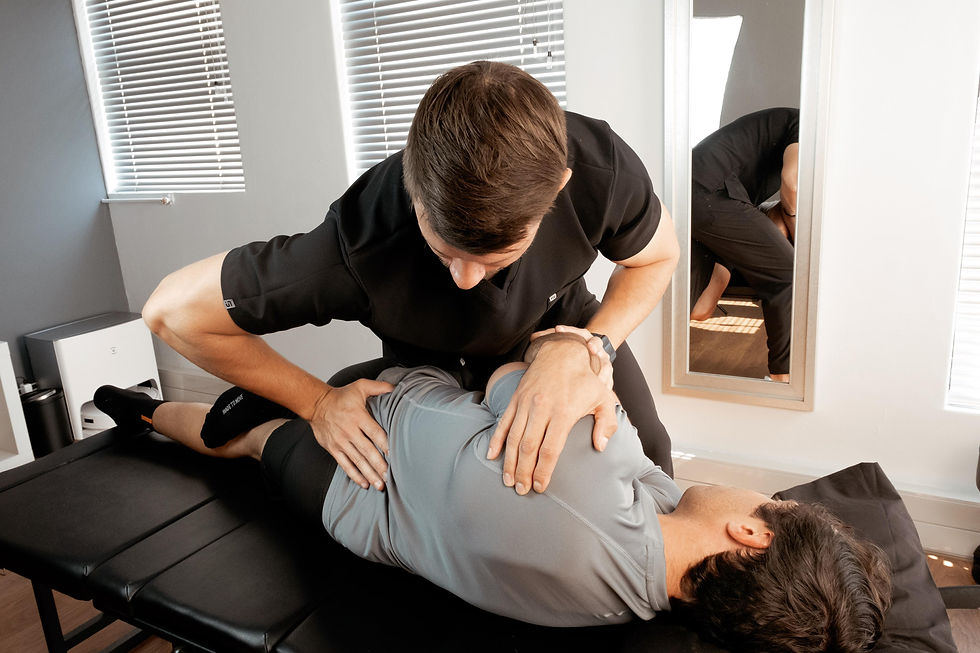
Chiropractic Adjustments & Mobilisation
Chiropractic adjustments and mobilisations are techniques used to restore proper movement and alignment in the joints, especially in the spine. Adjustments involve quick, controlled movements to realign the joints, while mobilisations are slower and gentler, aimed at gradually improving range of motion. These techniques help reduce stiffness, improve mobility, and ease pressure on nerves that may be contributing to pain or discomfort.
They are commonly used to treat conditions like back pain, neck pain, headaches, and joint restrictions. Each session is tailored to your specific needs and comfort level, using safe and effective methods to support your body’s natural ability to heal and function at its best.

Dry Needling
Dry needling is a technique that targets tight, sensitive areas in muscles called trigger points. Using very thin, sterile needles, these points are gently stimulated to release muscle tension, improve blood flow, and reduce pain. It’s particularly useful for muscle-related conditions like tension headaches, sports injuries, and chronic pain in the neck, shoulders, or lower back.
Unlike acupuncture, dry needling is based on modern anatomical science and focuses on treating musculoskeletal issues. Most patients experience relief after just a few sessions, with improvements in both pain levels and movement.

Soft Tissue Therapy
Soft tissue therapy involves hands-on techniques like massage, myofascial release, and stretching to target muscles, ligaments, and tendons. It helps relieve muscle tightness, improve circulation, and reduce inflammation in areas of strain or overuse. This type of therapy is often used in combination with other treatments to support faster recovery.
It’s particularly effective for people dealing with muscle tension from poor posture, stress, or physical activity. Regular soft tissue work can help you feel looser, move better, and stay pain-free in daily life.

Ergonomic Advice
Ergonomic advice focuses on helping you move and sit better in your daily life to reduce strain on your body. This may include guidance on how to set up your desk, improve your posture, lift properly, or adjust how you work or sleep. Small changes in your routine can make a big difference in reducing aches, especially in the neck, back, and shoulders.
By addressing the root causes of poor posture and repetitive strain, ergonomic support helps prevent future injury and pain. This is especially helpful for people who spend long hours at a desk or do physical work every day.

Sports-specific Treatment Plans
Sports-specific plans are tailored to your activity level and goals, whether you’re a weekend runner or competitive athlete. Treatment includes a combination of manual therapy, rehabilitation exercises, and performance-focused guidance to support recovery and prevent further injury.
These plans help address common issues like muscle imbalances, joint strain, or poor movement patterns that affect your sport. The goal is to keep you performing at your best while reducing the risk of long-term problems.

Joint Distraction
Joint distraction is a gentle technique that creates space within a joint to relieve pressure and improve movement. It’s especially useful for joints that are compressed, such as the hips or spine, and can help reduce nerve irritation, stiffness, and pain. This method is often used alongside other therapies to help restore comfortable, natural motion in the body.
By easing pressure inside the joint, joint distraction promotes better mobility and supports healing of inflamed or irritated tissues. It’s a safe, non-invasive option for anyone dealing with joint discomfort or limited range of motion.

Kinesio & Dynamic Taping
Taping techniques are used to support injured or overworked areas without limiting your movement. Kinesio tape is lightweight and stretchy, applied over muscles or joints to reduce pain, improve circulation, and promote healing. Dynamic tape offers stronger support and is designed to help offload pressure from stressed tissues during more active or repetitive movements.
Both types of taping can help relieve strain, support recovery, and improve how your body moves. They’re especially useful for sports injuries, joint instability, postural issues, or during rehabilitation when you need extra support to keep moving comfortably.
